What to expect
Choose the outing that fits your day.
What actually happens?
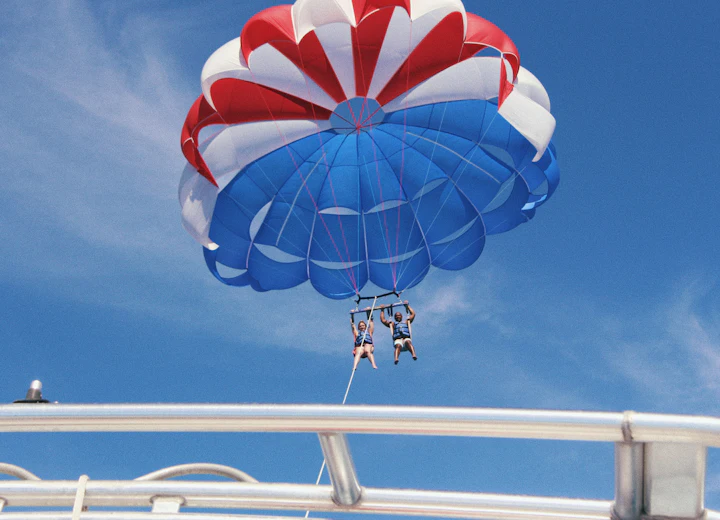
You board a dedicated parasail boat with a small group.
When it is your turn, the crew attaches your harness to the parasail system from the boat's rear deck.
The boat accelerates, the line extends and you rise gradually above the water.
Modern commercial Key West products commonly use dry deck takeoffs and landings rather than launching you from the water.
You then return to the same boat.
Most of the booked time is not spent in the air
This is the expectation worth setting clearly.
A parasailing reservation may occupy roughly an hour of the day, but individual flight time is much shorter.
Keep the advertised boat trip separate from actual airborne time when planning the day.
That is normal.
You share the boat while other groups fly.
If you only look at “1-hour parasailing tour,” it is easy to assume you will spend much of that hour overhead.
You will not.
One, two or three people?
Tandem flights are common.
Some operators also allow triples when combined weight, wind and captain judgment make it appropriate.
Do not promise a triple flight to children or friends before boarding.
The captain may make the final arrangement based on conditions and weight distribution.
Operator-specific weight limits also vary.
That is a booking detail worth checking directly rather than copying one company's number into a general Key West guide.
Do you have to get wet?
Often no.
Some operators offer an optional water dip near the end, while dry takeoff and landing remain possible.
Tell the crew if remaining dry matters to you.
And dress as if you might get wet anyway.
You are still on a boat.
What if you're afraid of heights?
This is highly personal, but parasailing is mechanically different from standing on a ledge or dropping from a ride.
There is no free fall.
You rise gradually behind the boat.
Some height-sensitive visitors still dislike it; others find the lack of a sudden drop much easier than expected.
Do not pressure someone into doing it because the group already booked.
A ride-along seat may be possible with some companies when space permits, but that is operator-specific.
Weather rules are unusually specific
Florida law places explicit weather restrictions on commercial parasailing.
Current law prohibits commercial parasailing under conditions including:
- sustained winds above 20 mph,
- certain excessive gust conditions,
- visibility below one-half mile from rain or heavy fog,
- or a known lightning storm within seven miles of the parasailing area.
Commercial operators must also maintain weather-monitoring capability and keep a weather log.
That is why a sunny-looking morning does not guarantee an afternoon parasail will operate.
Commercial operators also have legal requirements
Florida's commercial parasailing statute requires, among other things:
- liability insurance,
- an appropriately licensed U.S. Coast Guard operator,
- VHF marine communications,
- and access to weather information.
Visitors do not need to memorize the statute.
But if you ever have doubts about an operator, these requirements give you sensible questions to ask.
Children and age limits
Florida's parasailing statute does not create one universal tourist age minimum for all commercial rides.
Operators therefore publish their own participation rules.
Current Key West businesses show that minimum ages and minor-waiver policies can be company-specific.
Is parasailing worth making a major part of the day?
Usually no.
That is one of its strengths.
Parasailing works well as a compact activity between:
- breakfast and a beach afternoon,
- lunch and dinner,
- or other Downtown plans.
It gives you a dramatically different view of the island without consuming half a day.
If you want a substantial water excursion, snorkeling, fishing or a backcountry trip provides far more time on the water.
The practical answer
Parasailing is a good choice when you want one concentrated experience rather than a full marine excursion.
Expect a boat outing with a relatively short flight, check the operator's age and weight policies, and allow weather rather than the reservation calendar to have the final word.
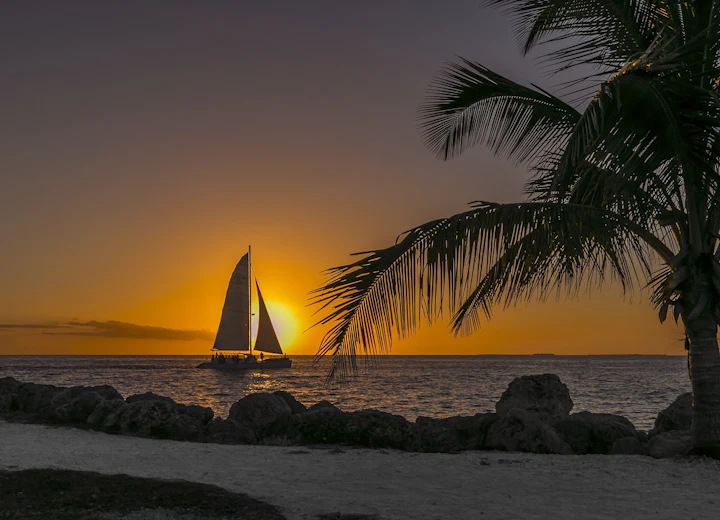
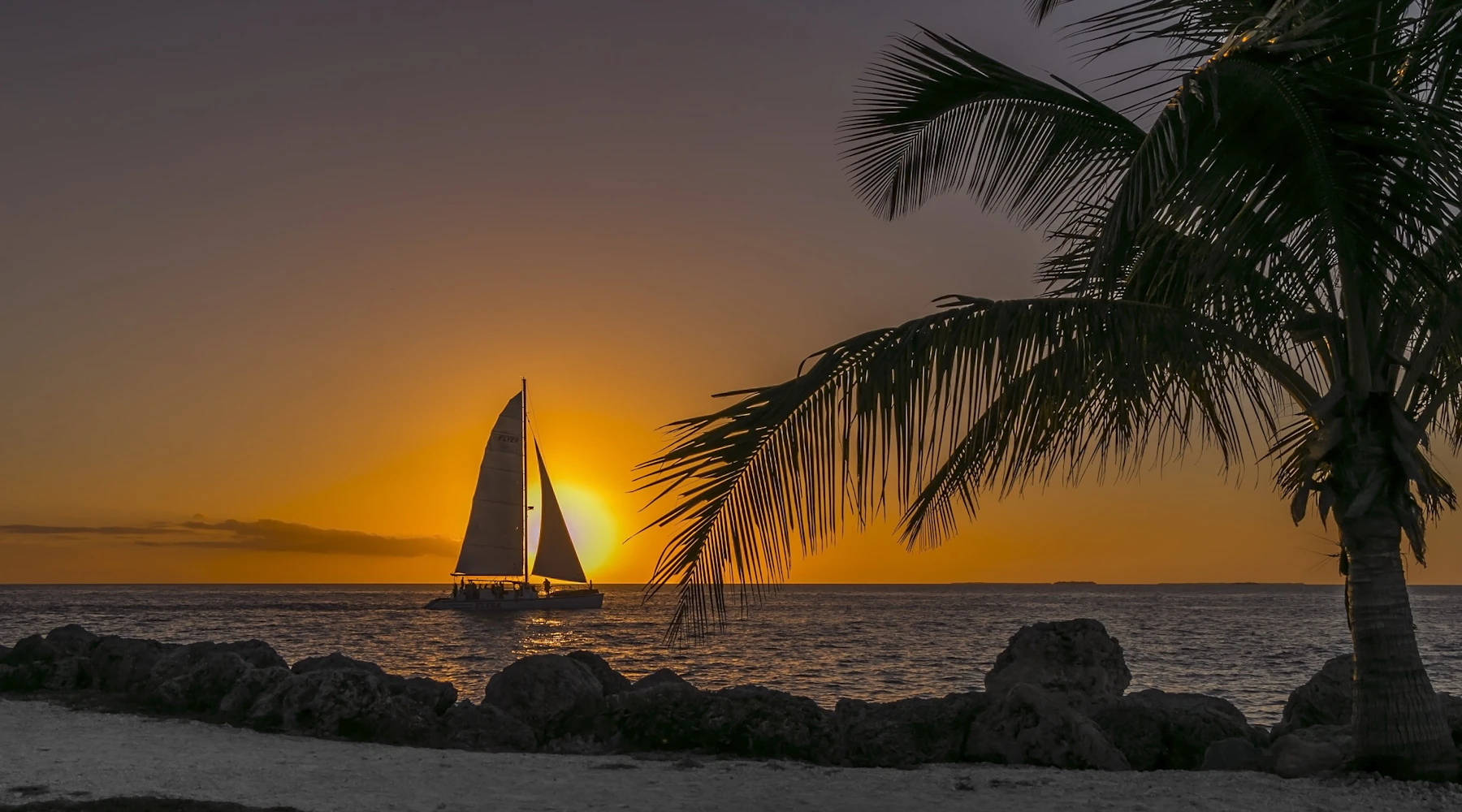
If the group prefers staying nearer the surface, compare sunset cruises or read the water-adventure guide.